


Episode 303: Tag Team
May 19, 2026
Episode 305: Recall
July 27, 2026Episode 303: Tag Team
May 19, 2026Episode 305: Recall
July 27, 2026
In Episode 304, Blue Peg Pink Peg offers up their Orlog Review as well as discussing their most recent board game plays.
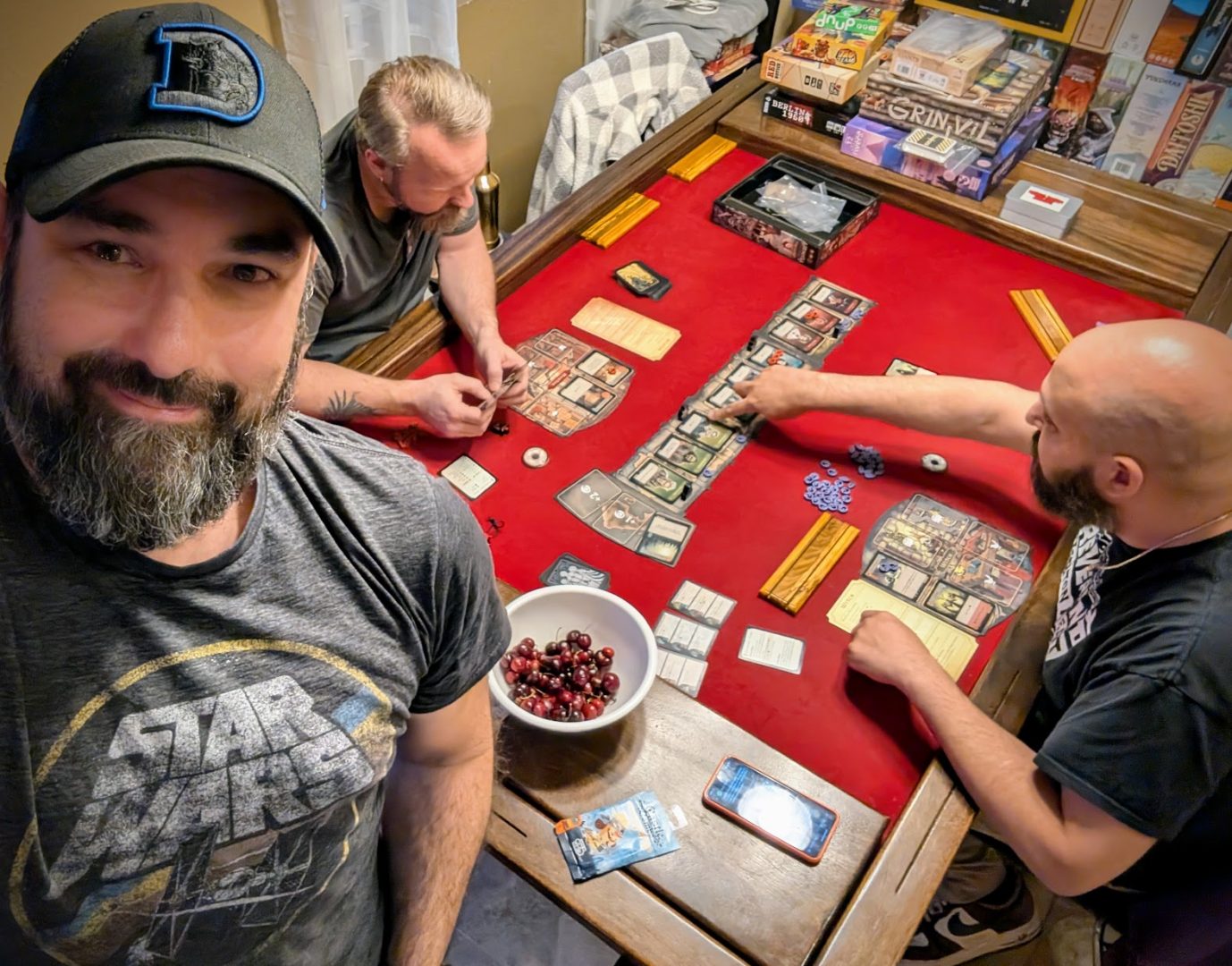
The Pegs also discuss their recent plays, including:
- Zombicide: Dead Men Tales – Asmodee
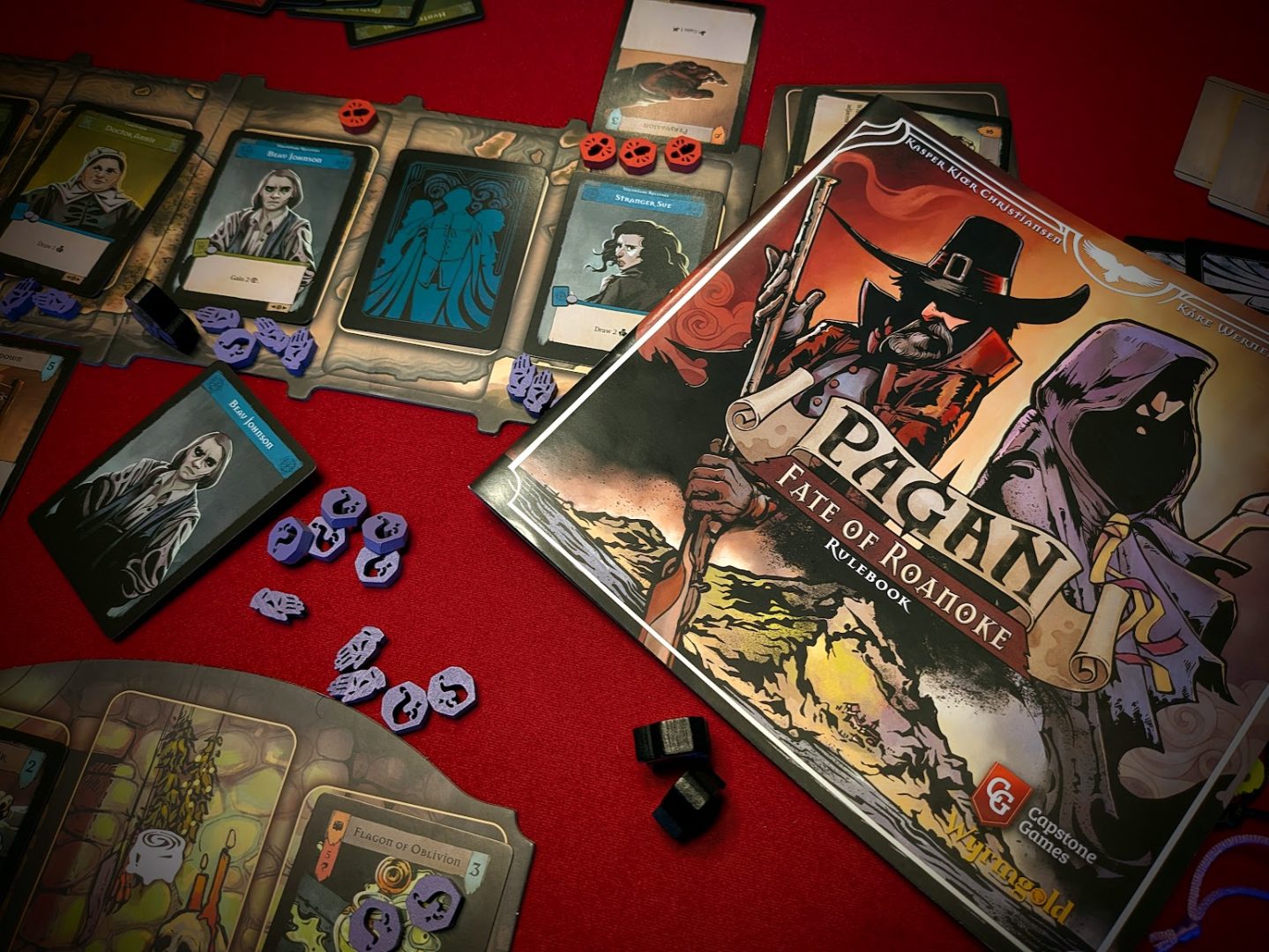
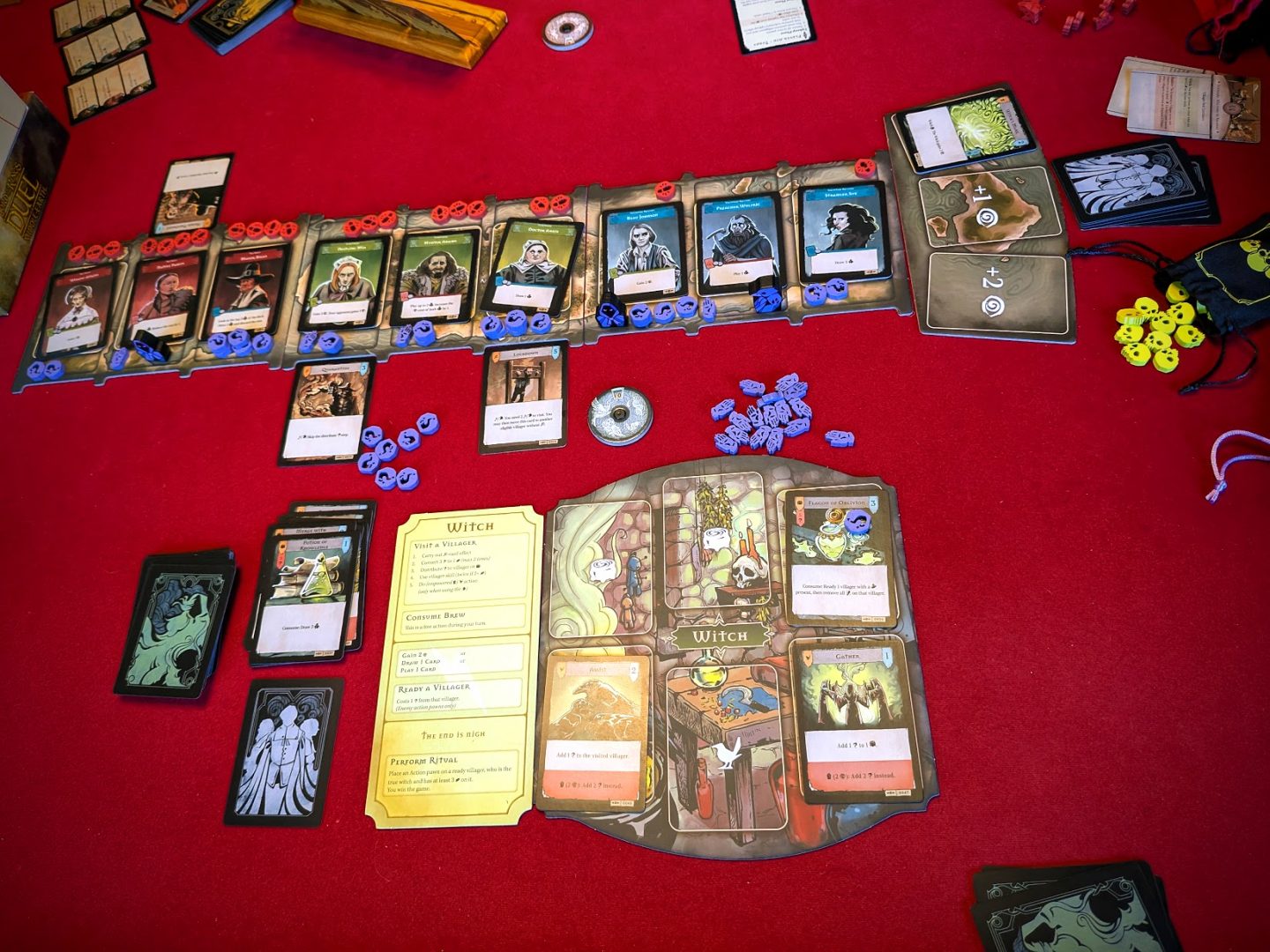
- Pagan: Fate of Roanoke * – Capstone
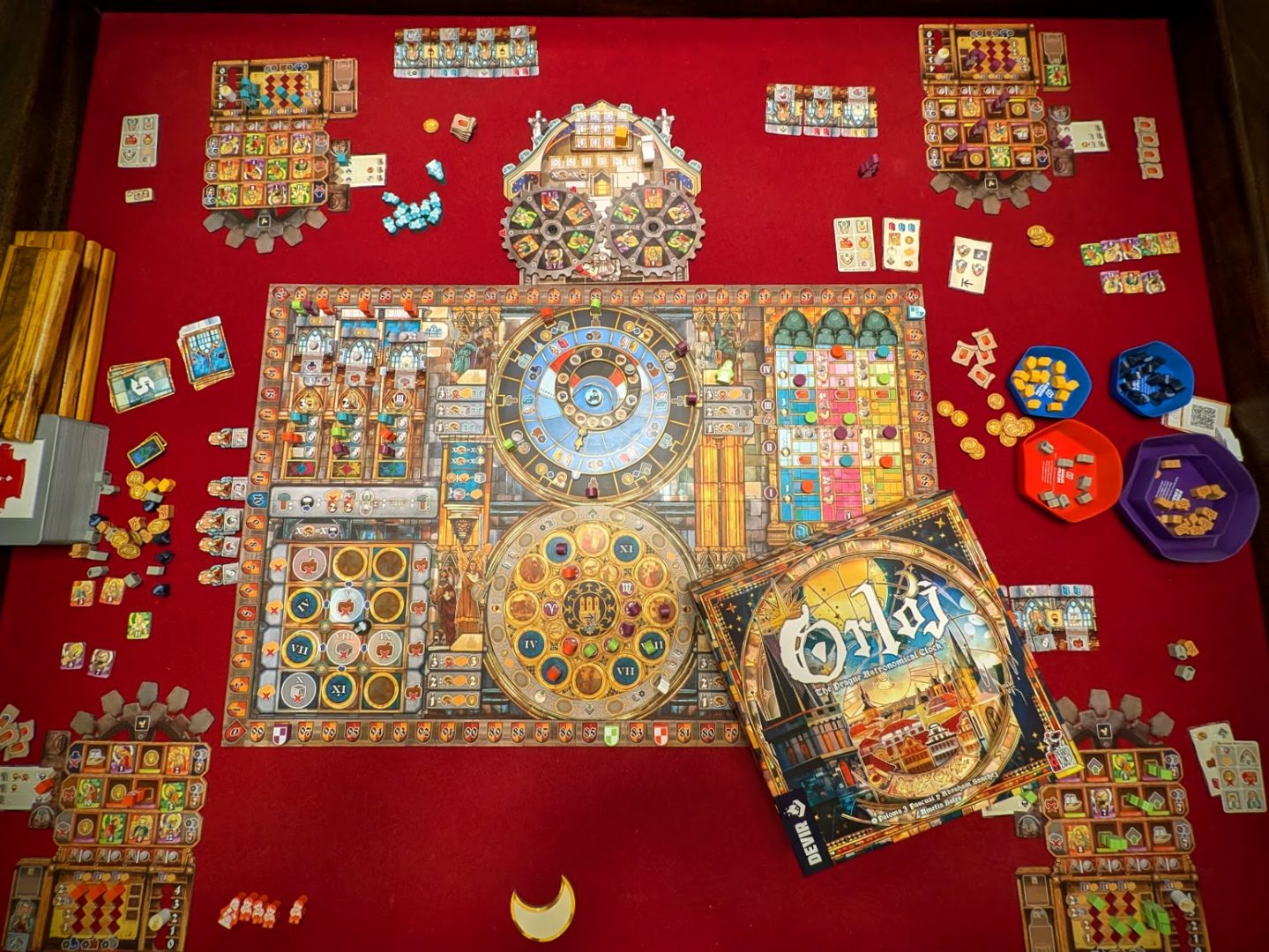
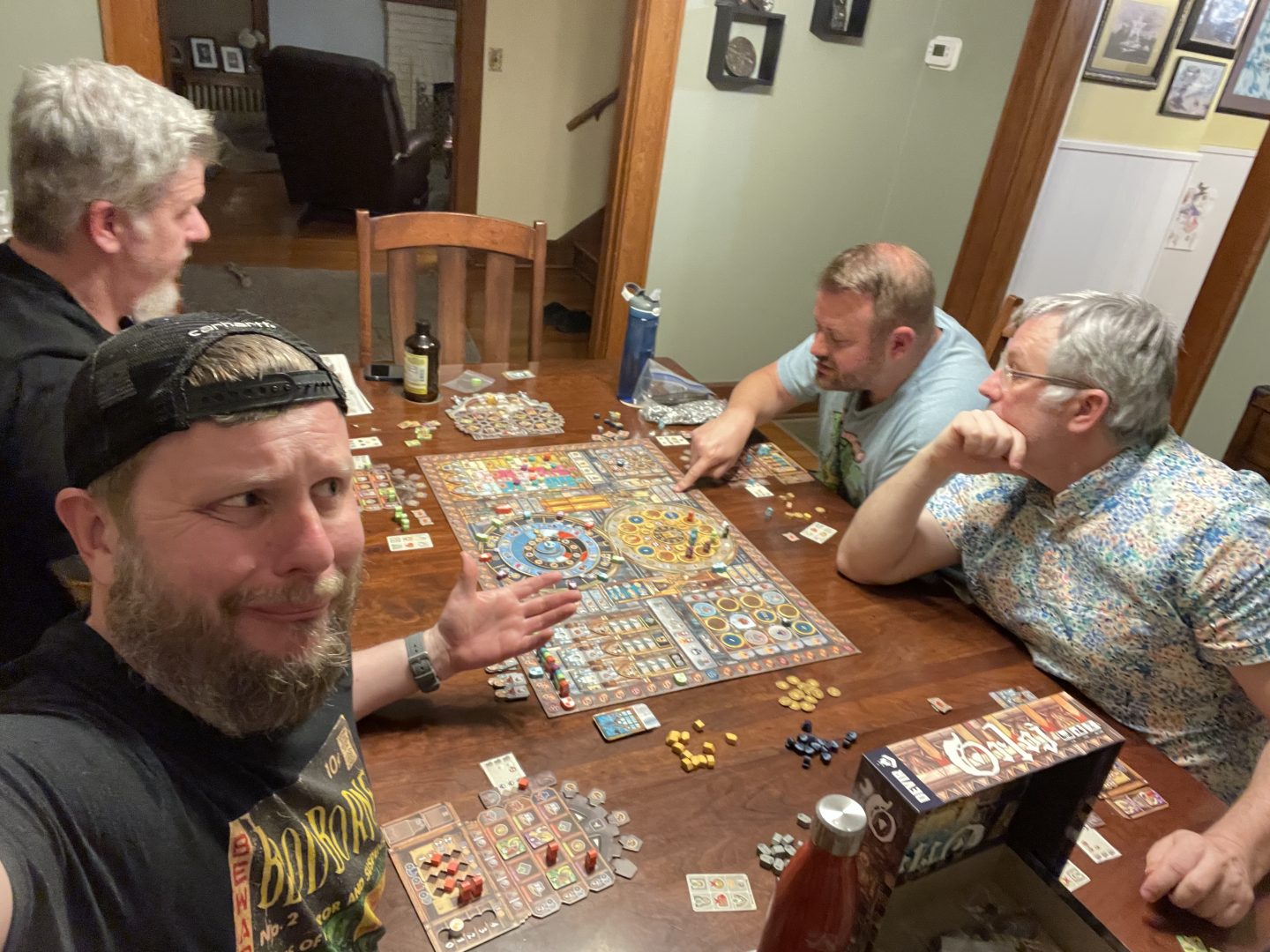
- A deep dive Orloj: The Prague Astonomical Clock * Review – DEVIR
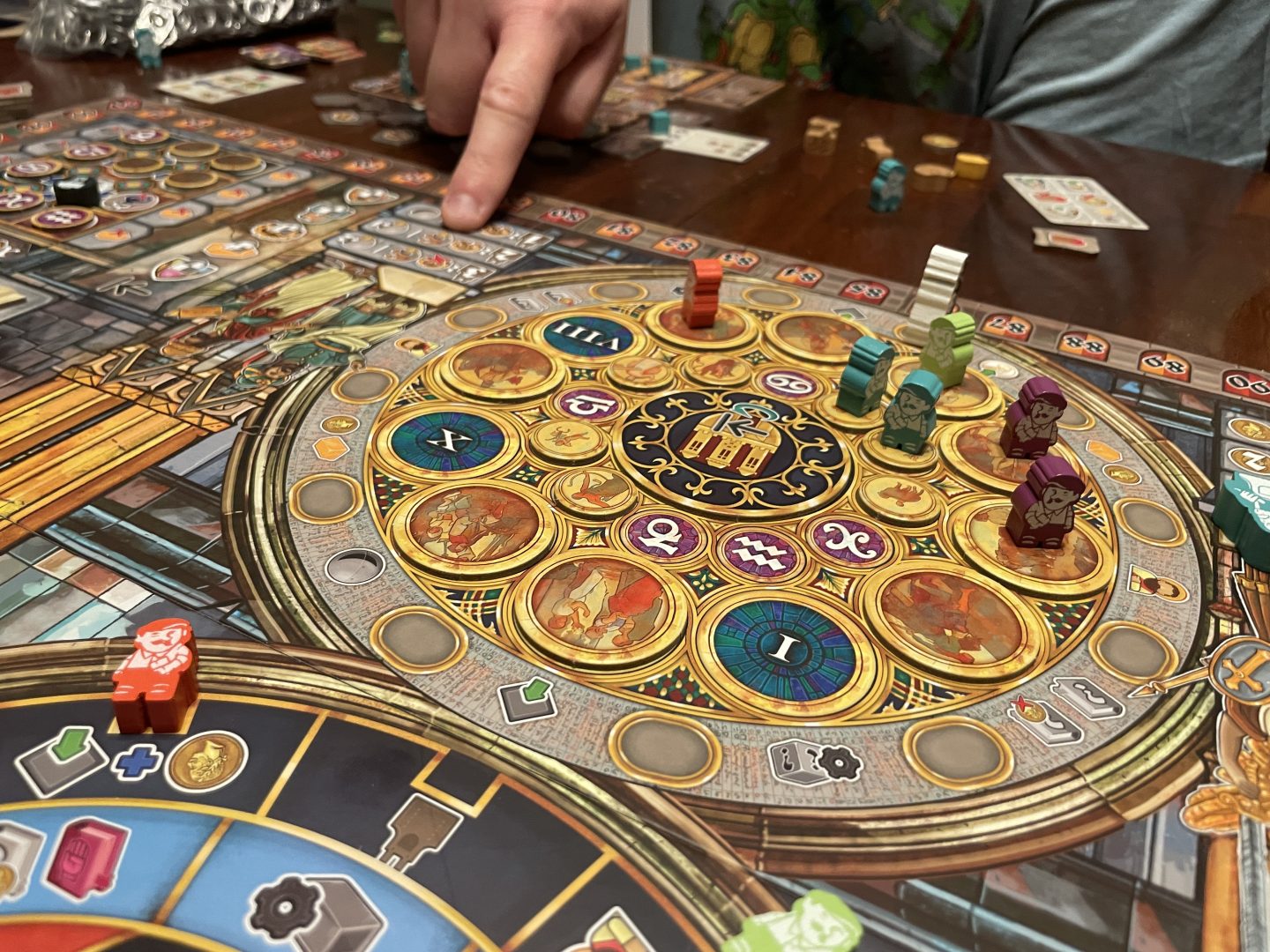
Orloj Board Game
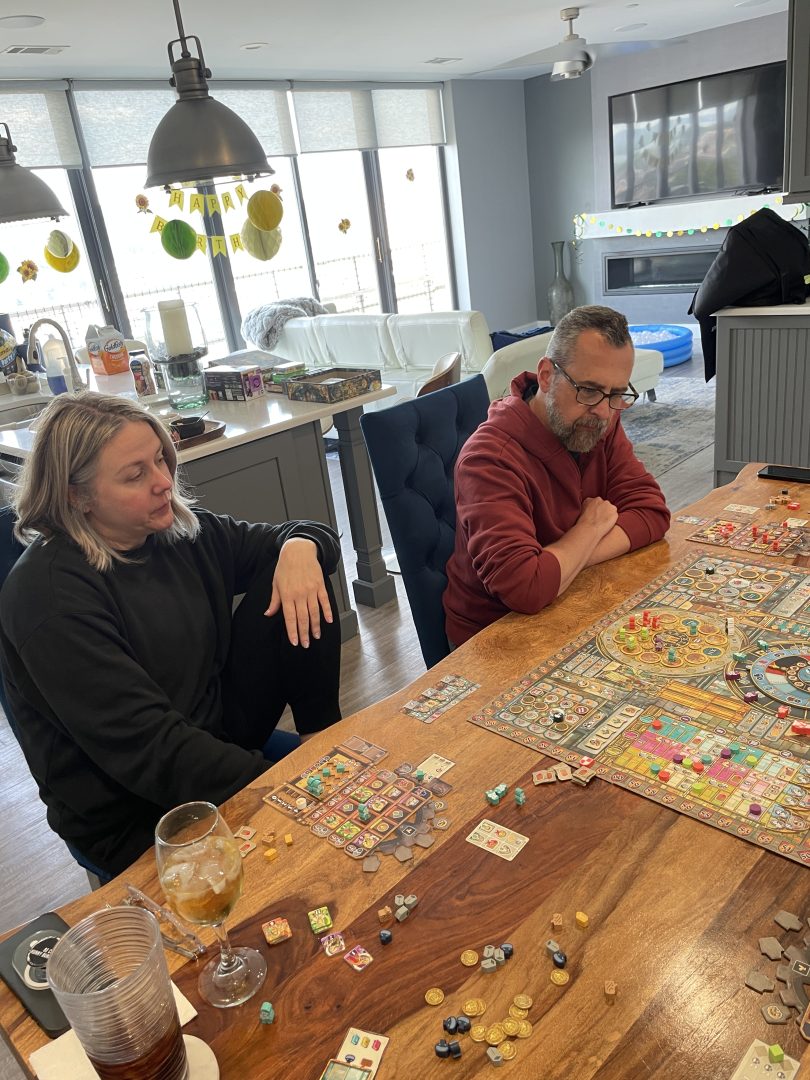
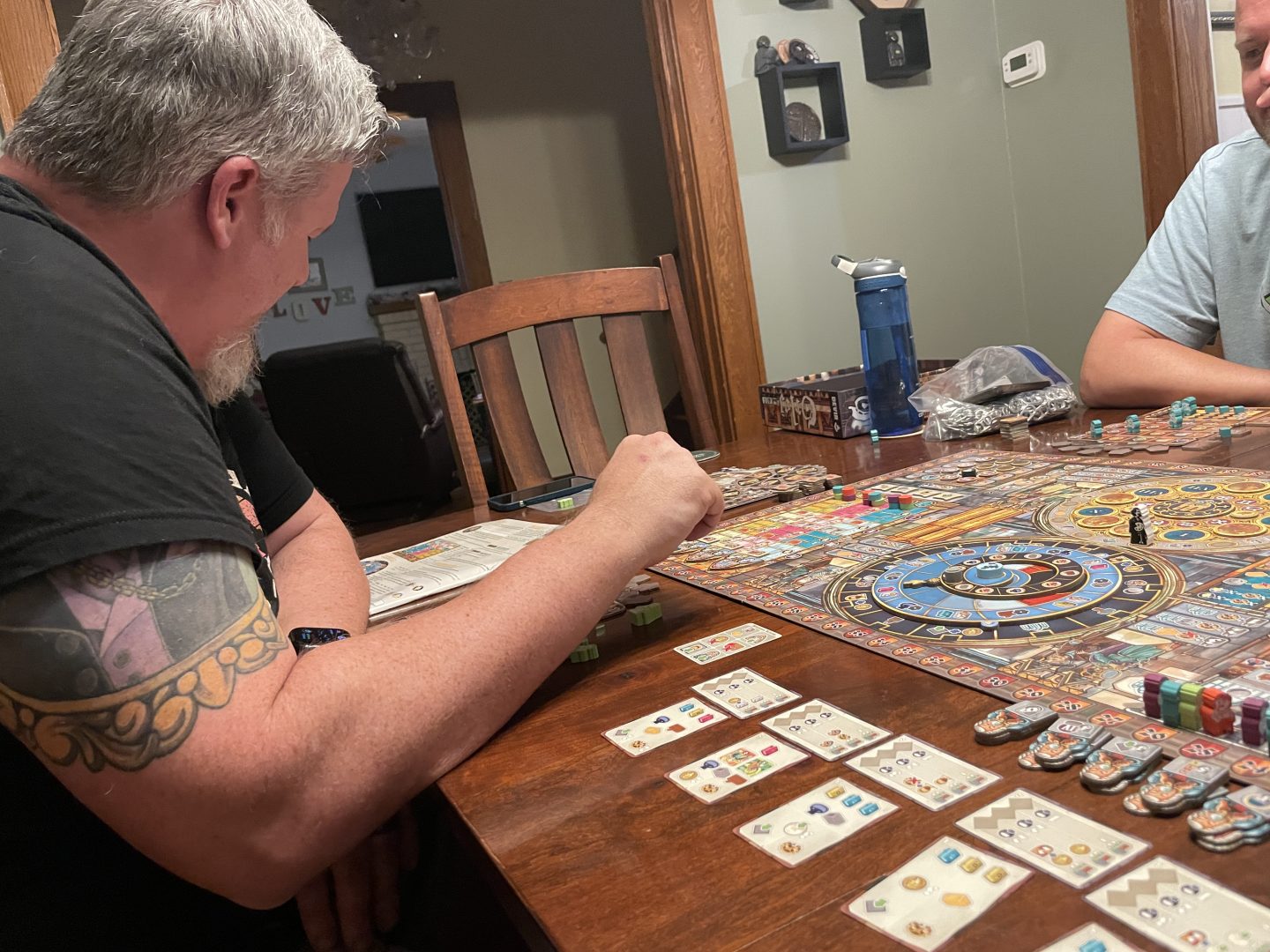
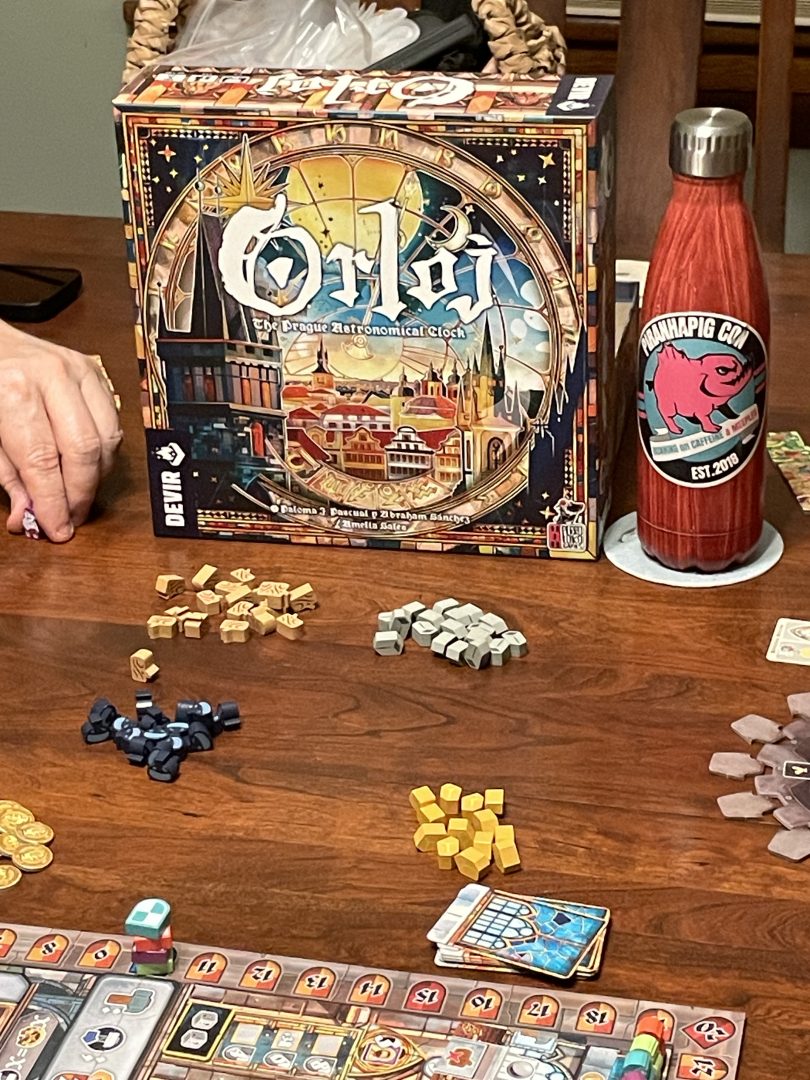
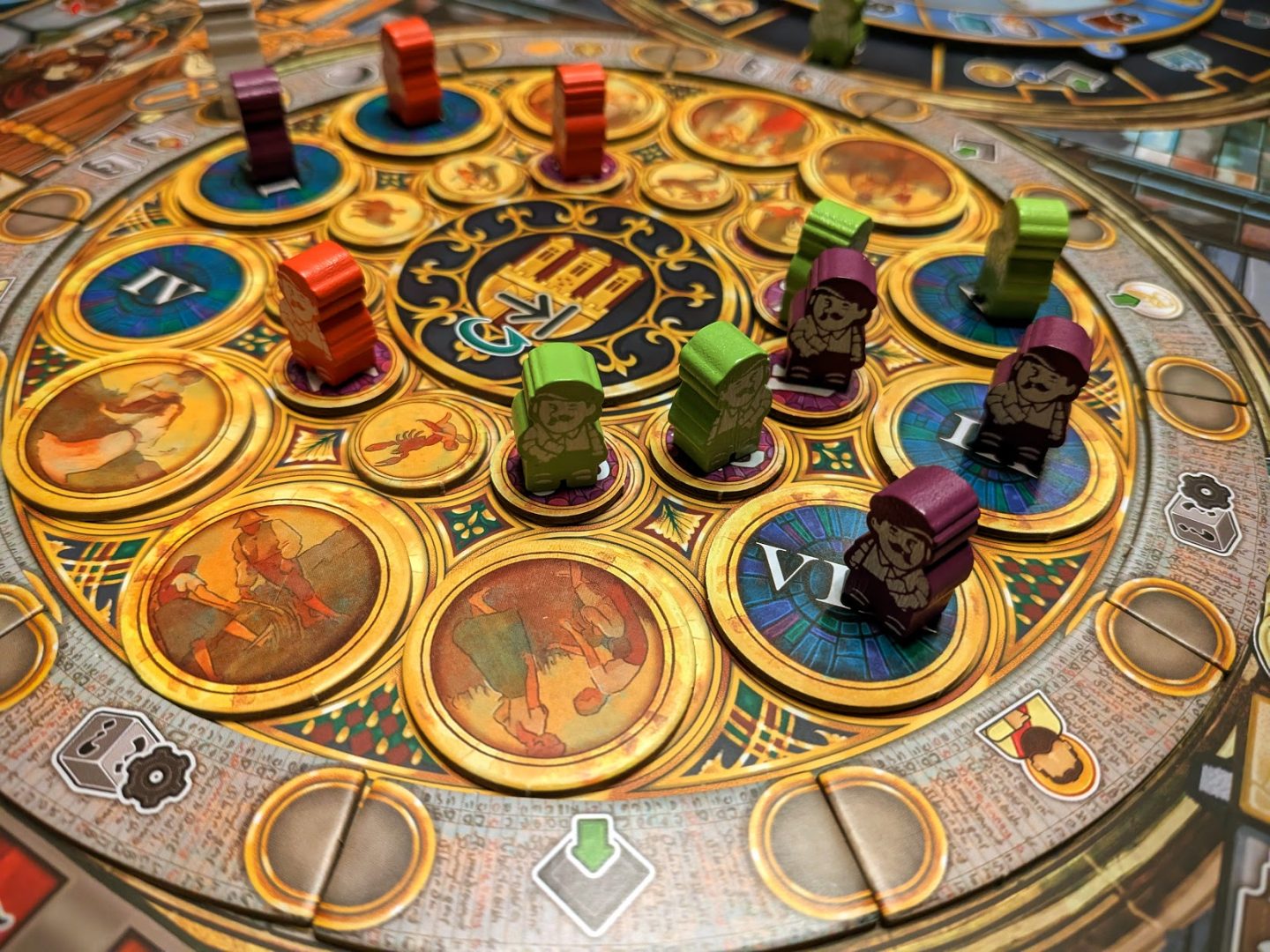
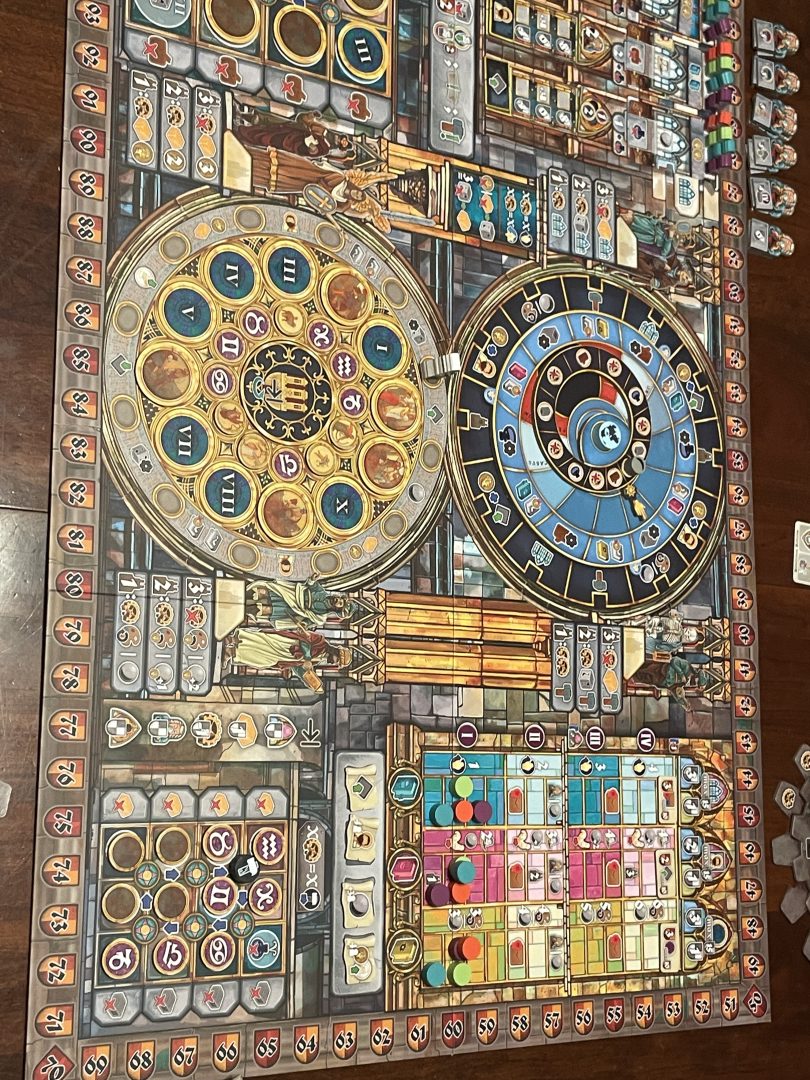
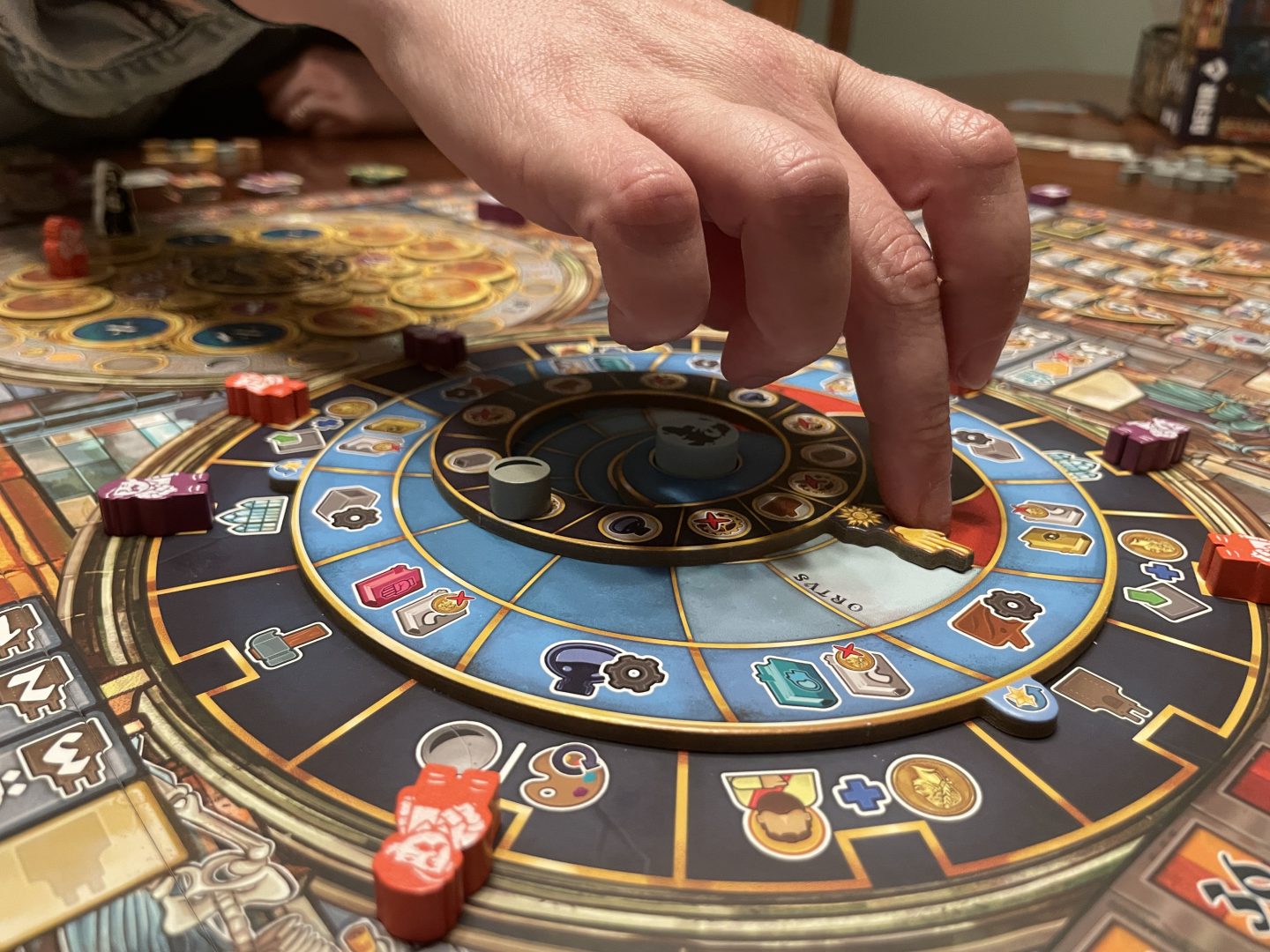
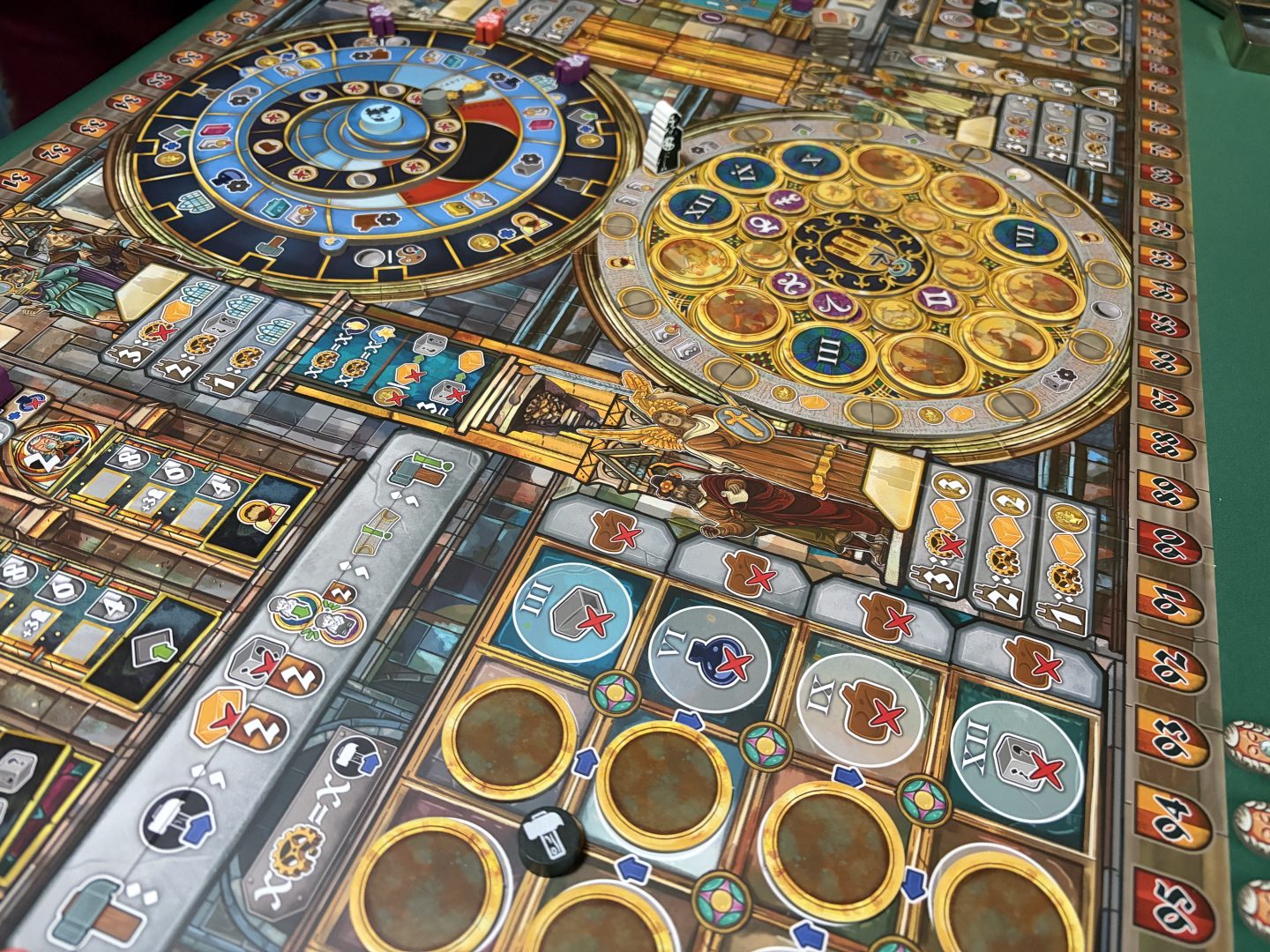
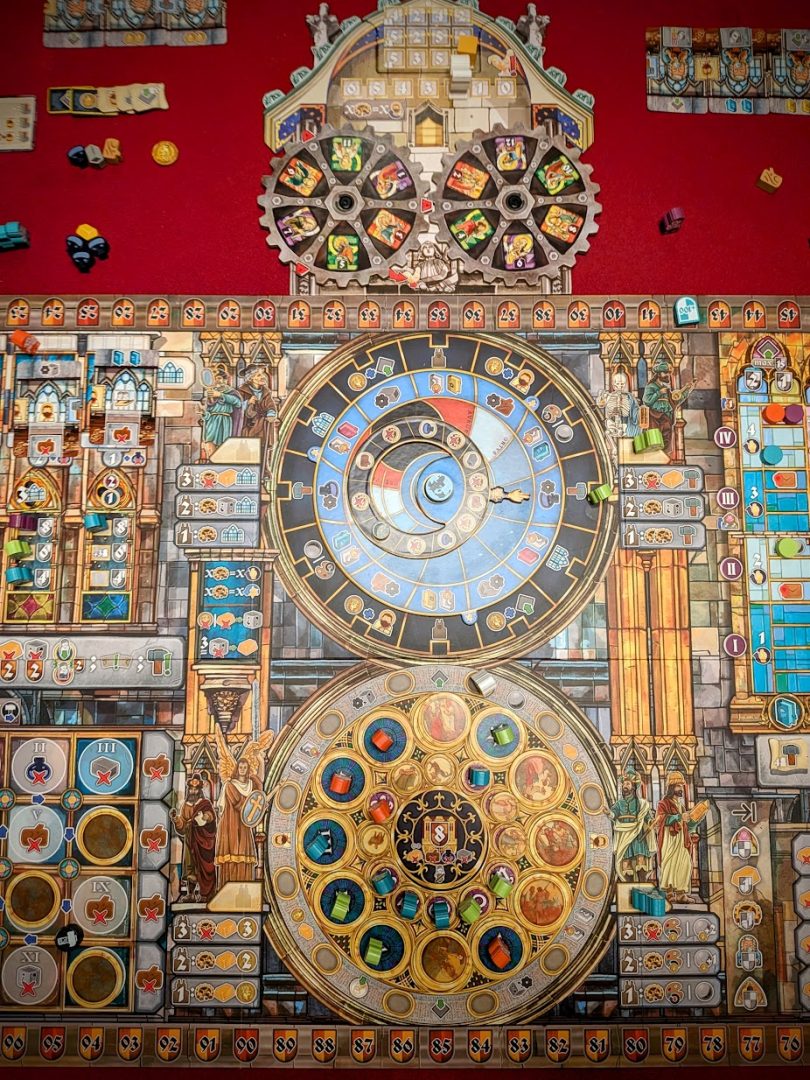
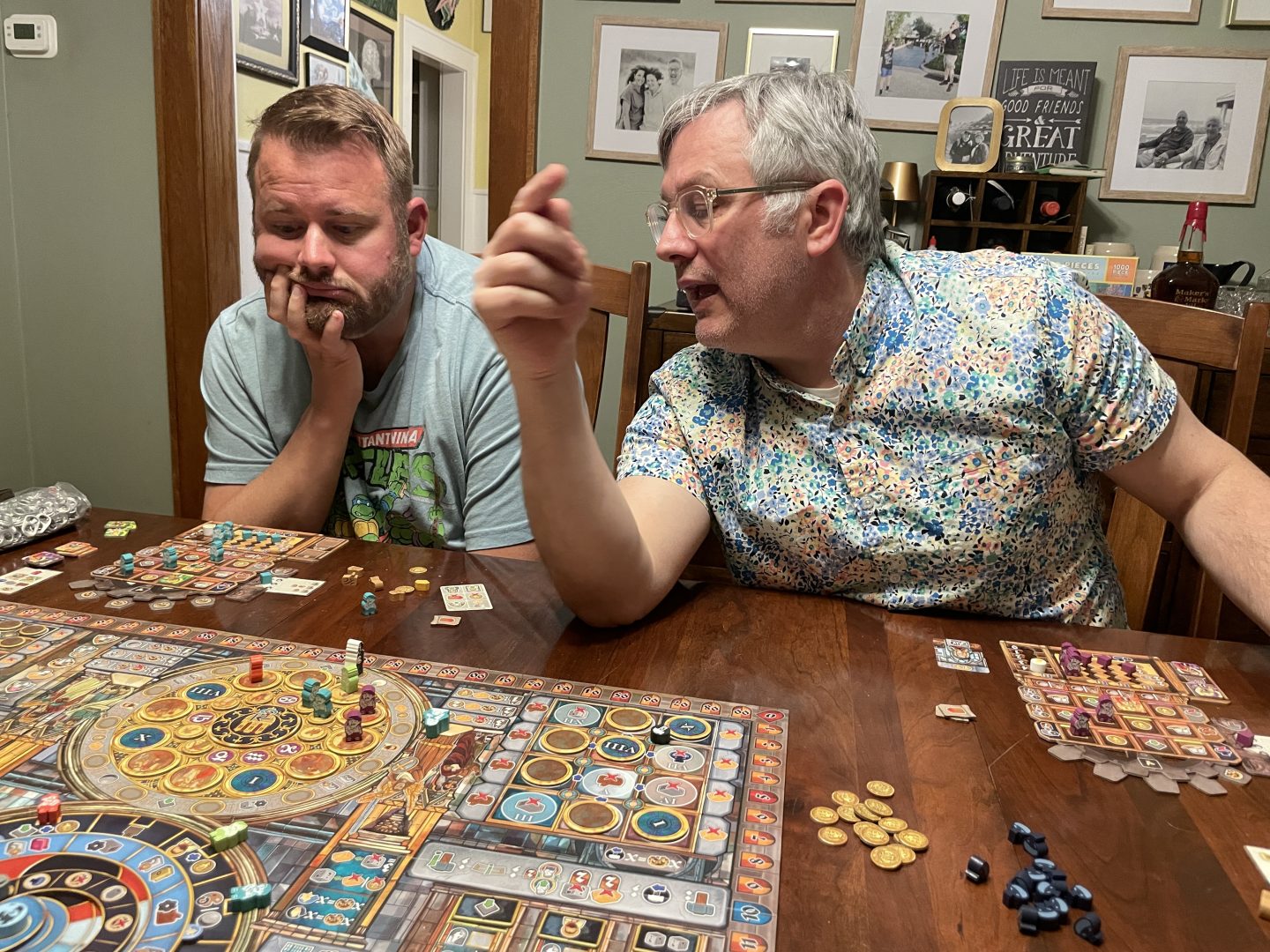
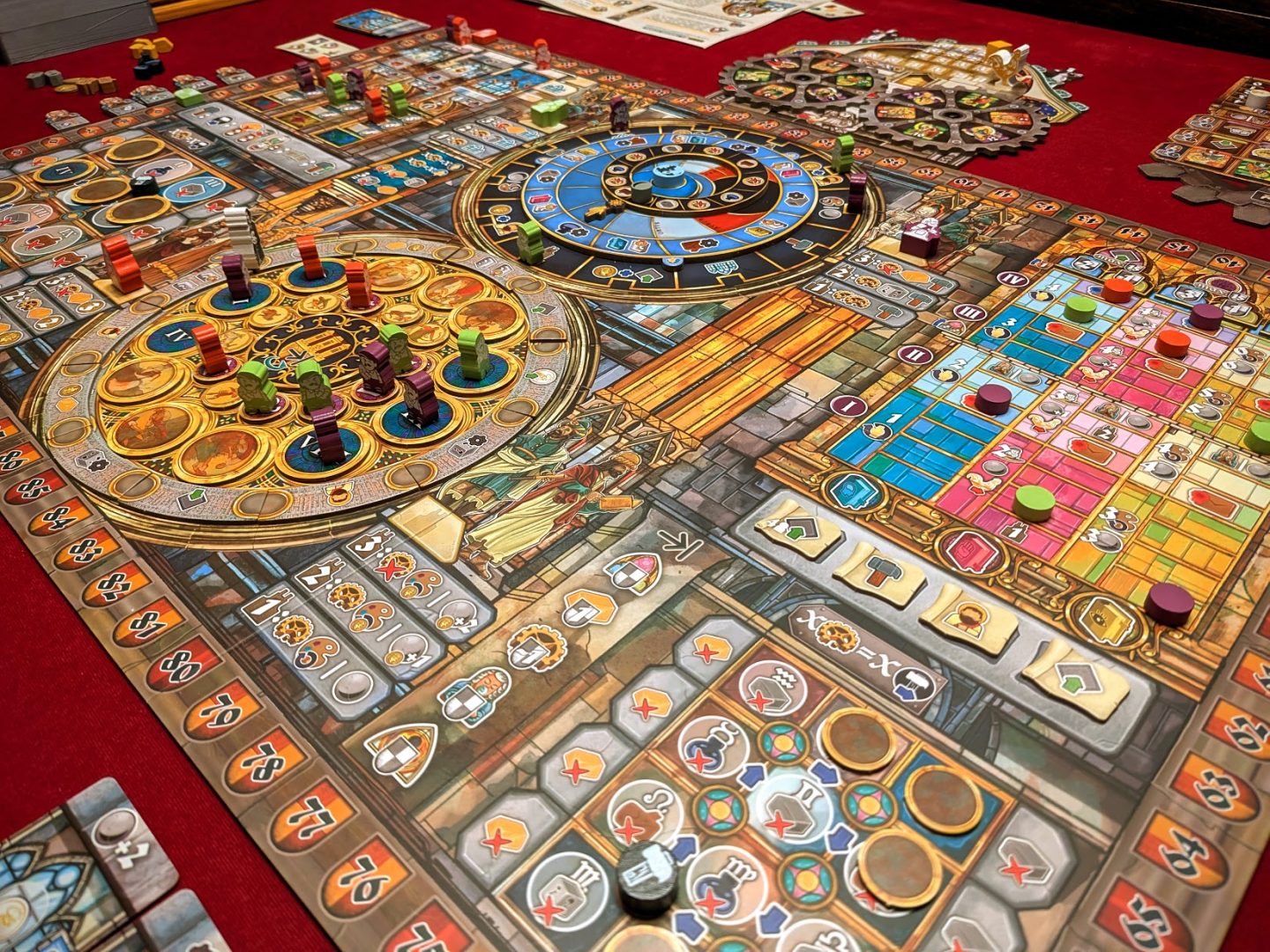
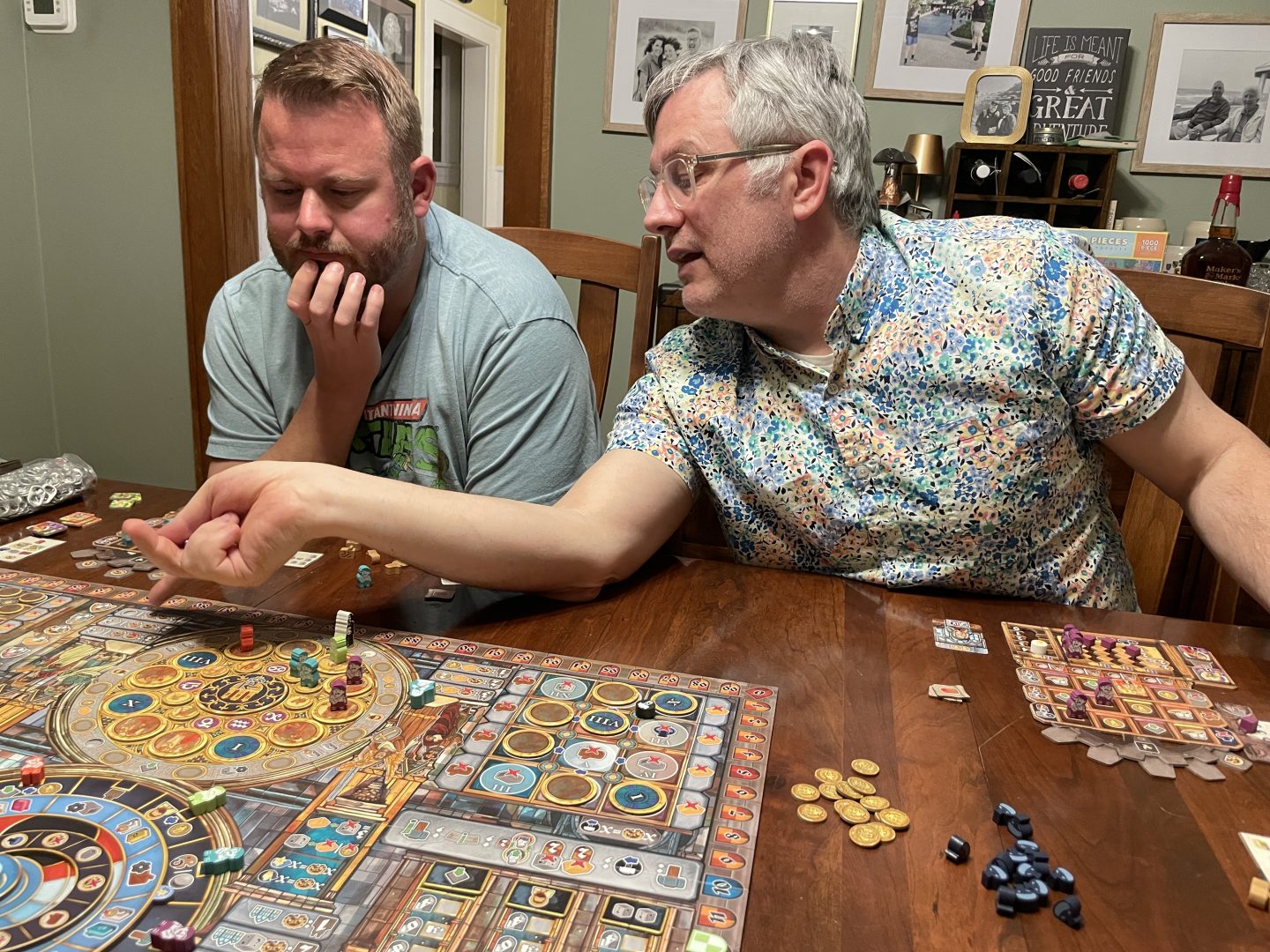
Orloj:The Prague Astronomical Clock is a medium-heavy euro game for one to four players where you're competing to contribute the most to Prague's famous astronomical clock and its calendar while building your own engine along the way.
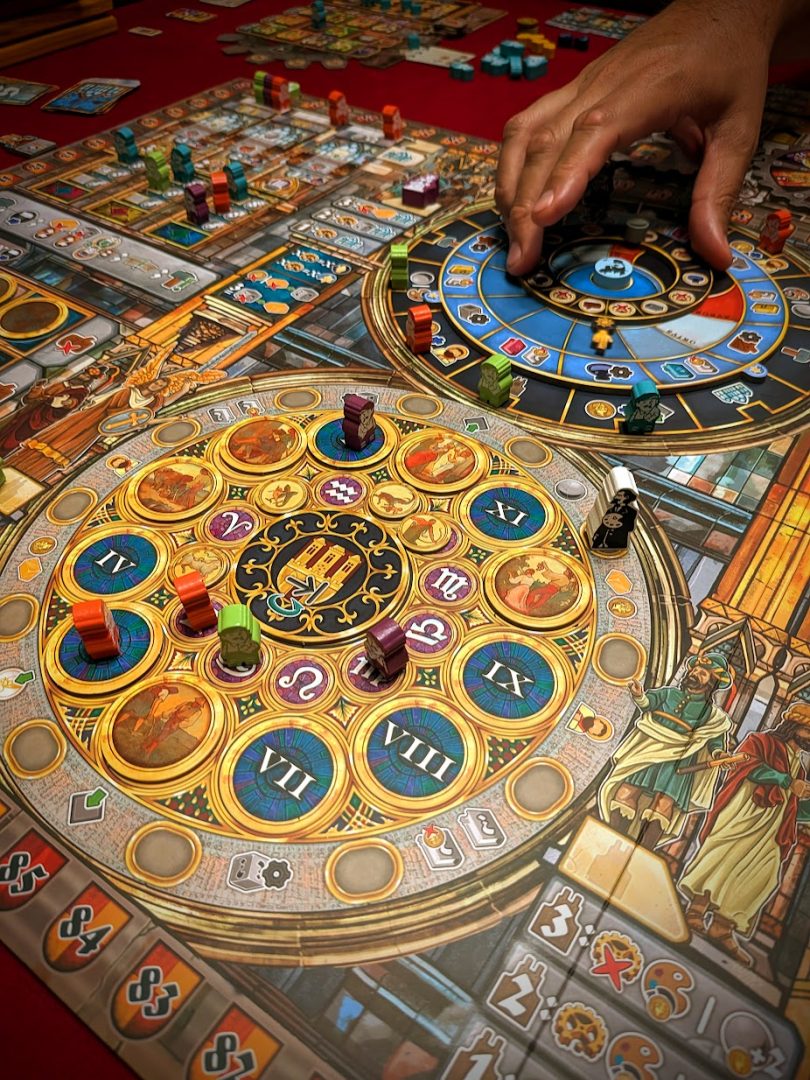
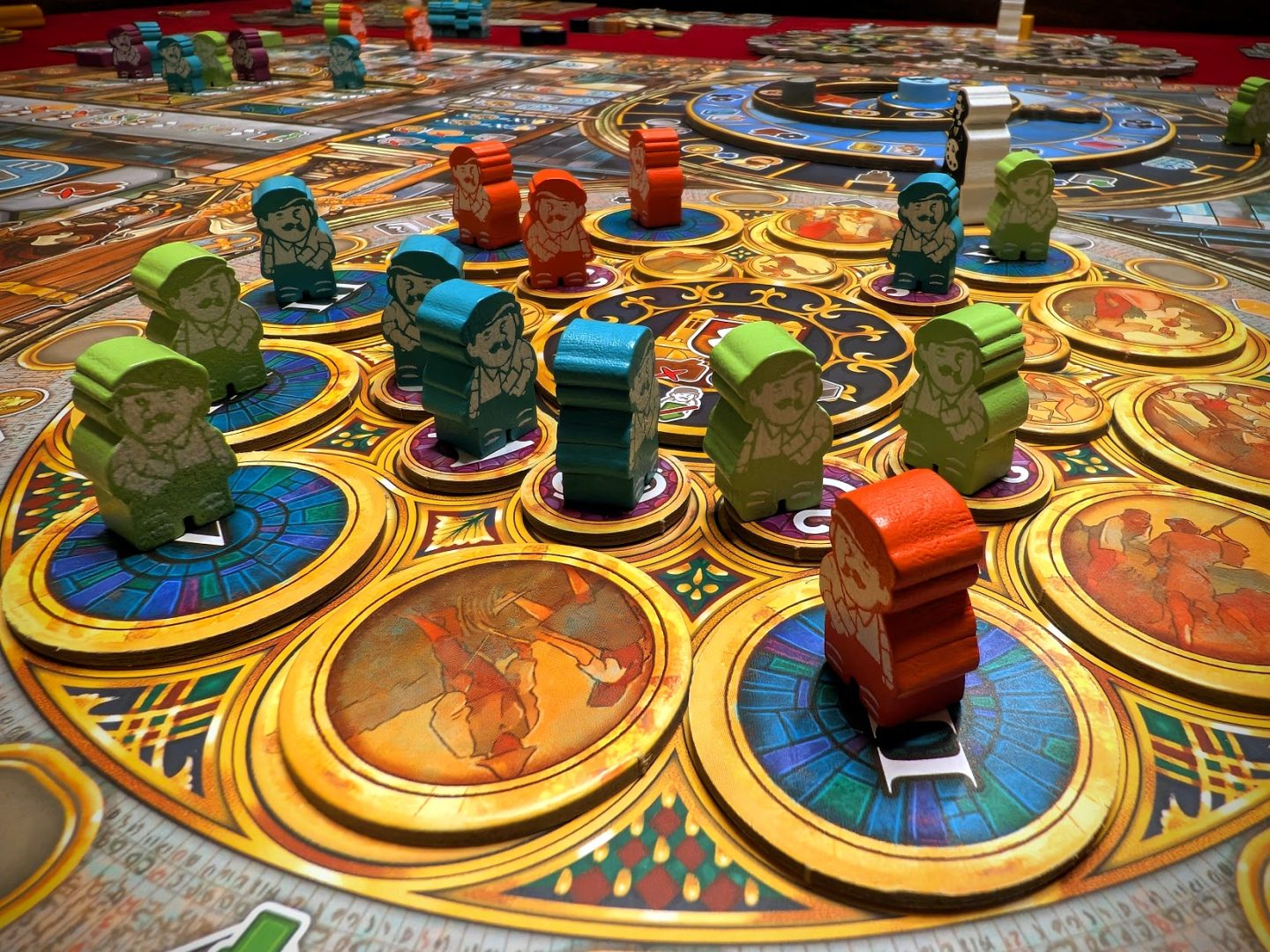
At its core, Orloj is a worker placement game built around a giant clock face. On your turn, you'll either activate the clock or pass.
When you activate the clock in Orloj, you place a worker on one of the outer spaces of the dial. The clever part is that your placement determines two actions: a primary action from the outer ring and a secondary action from the inner section of the clock. Throughout the game you'll improve your mastery, letting you manipulate these combinations and making your turns increasingly efficient.
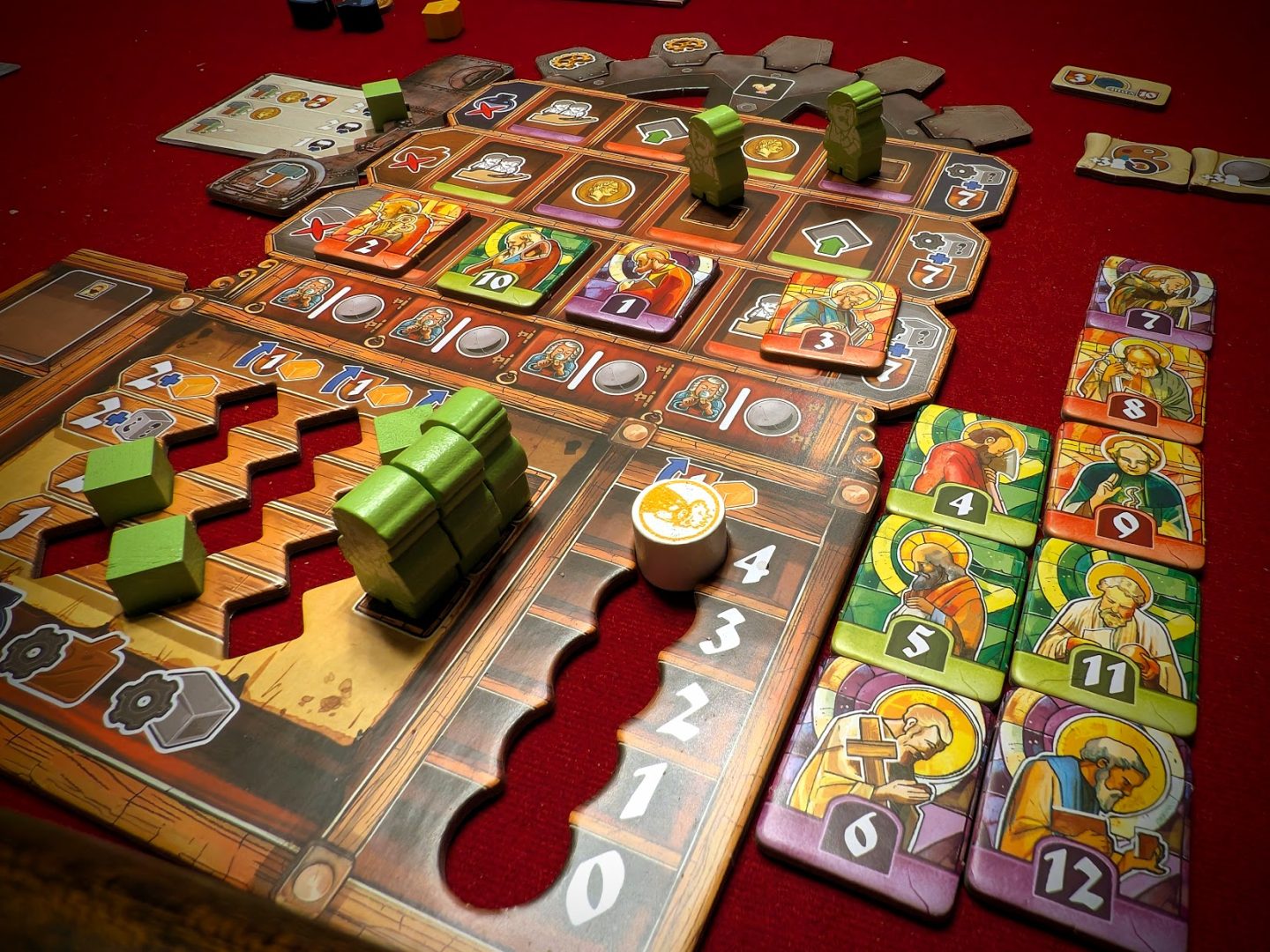
The actions generally fall into a few categories: you'll gather resources, you'll advance on three knowledge tracks. These tracks improve your abilities, increase production, and unlock stronger action combinations. Think of them as the engine-building backbone of the game, and you'll recruit assistants. These provide ongoing powers, special abilities, and endgame scoring opportunities if you have built a workshop for them to be placed in.
And finally, you'll work on the major construction projects that score the bulk of your points.The biggest project is building the Calendar. You'll spend resources to place pieces onto the calendar display, earning points and often trying to create favorable adjacencies.You'll also construct the Apostles' Carillon, adding figures into a 3x3 grid on your player mat. These pieces provide both immediate benefits and endgame points.
Another important feature is the Moon and Painter systems. Various actions allow you to move these elements around the board, unlocking bonuses, resources, scoring opportunities, and special rewards.
Now, one of the most unique parts of Orloj is the clock mechanism itself. You can "force" the clock to access actions you otherwise couldn't reach, but doing so creates deviations. You flip your deviation tokens over and will eventually need to spend actions correcting those deviations otherwise they are negative points. So there's a constant push-your-luck tension between efficiency now and cleanup later.
Eventually you'll run out of workers and choose to pass. Passing allows you to recover workers and prepare for the next round. Once everyone has passed, the rooster advances, a new round begins. Now there are many other things that can trigger the rooster advancing so you need to keep an eye on him to figure out how much time you have left before the round ends.
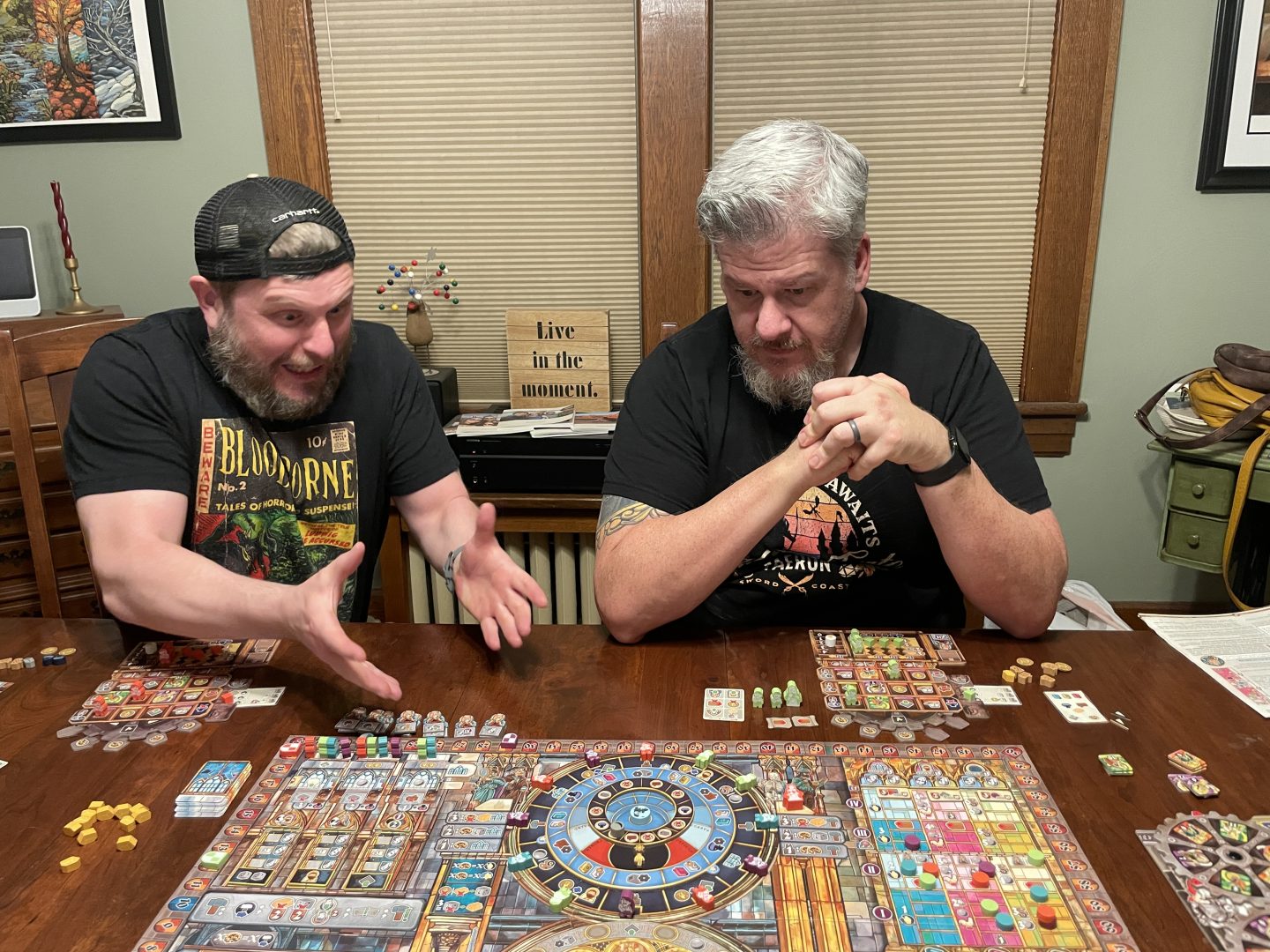
The game ends when the calendar is completed. Players then score points from the calendar, the apostles, assistants, knowledge track achievements, various bonuses, and other endgame objectives. Now let’s head back to the studio and see which PEG created the most harmonious contribution to Orloj: The Prague Astronomical Clock.

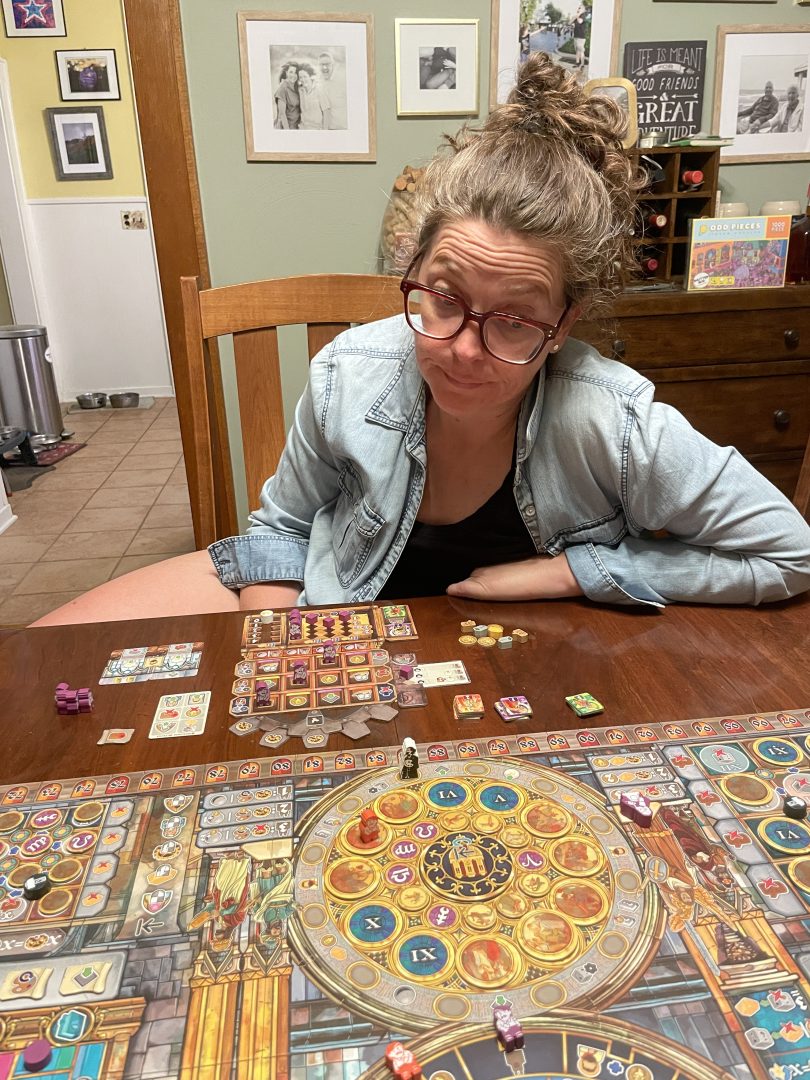
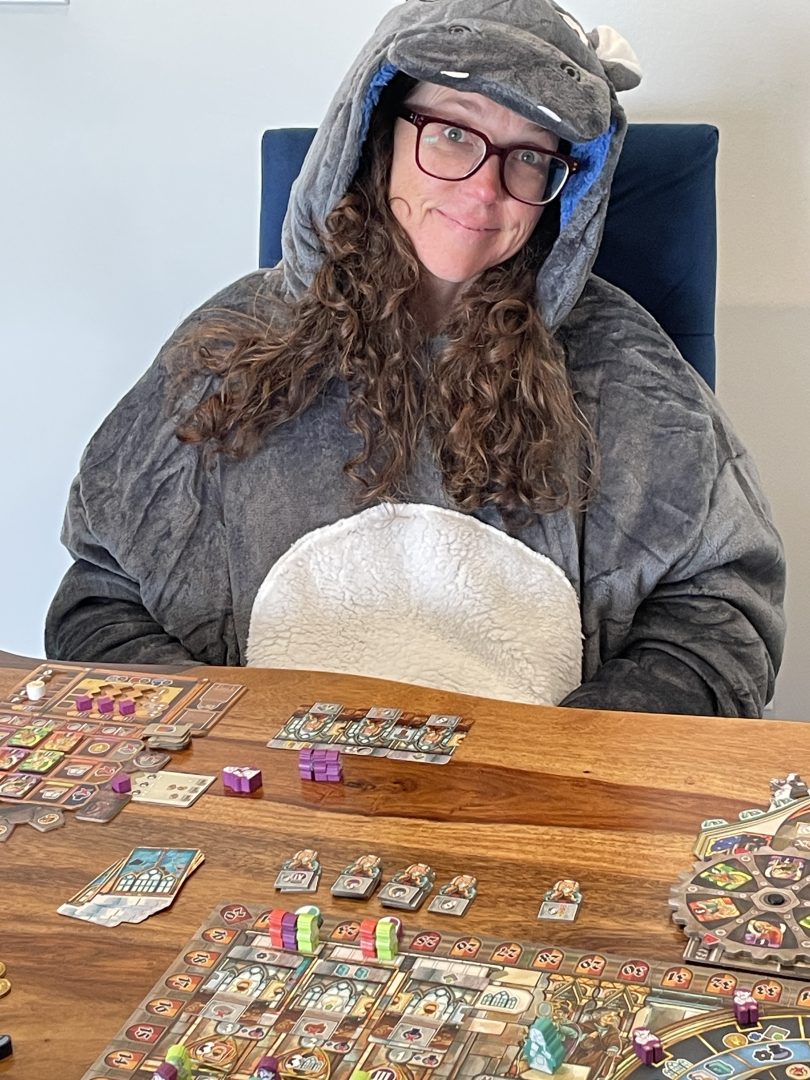
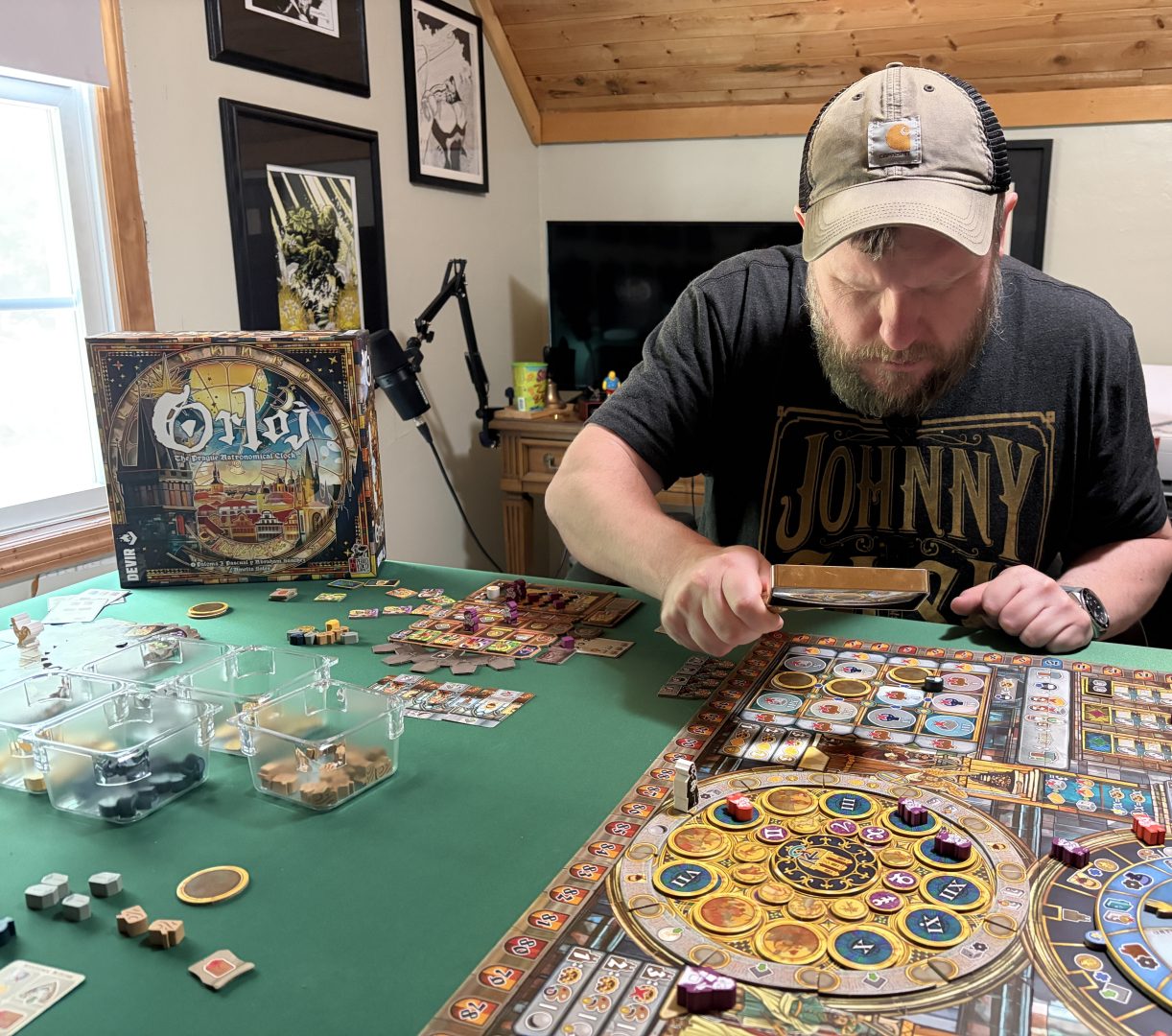

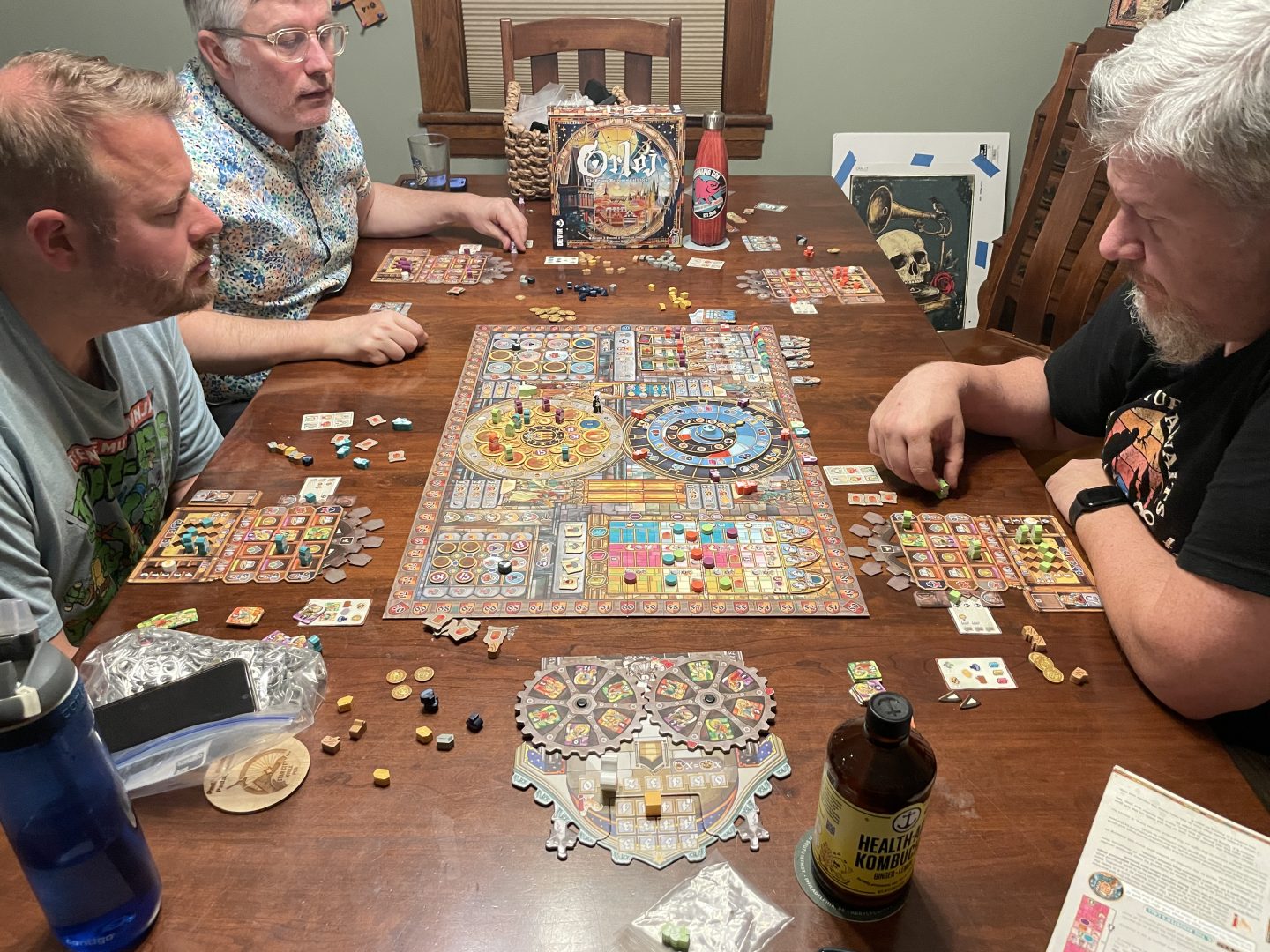








Banter
00:01:40 - Pegs Plugged In
00:04:44 - Dice Camera action
00:07:21 - Origins.
00:14:48 - Loft Con (cheese, 5 seconds of silence, DNUP, The Lost escape room)
00:28:50 - Nature hates Kevin
00:37:18 - Ear Hair: A Relationship Story
00:43:06 - Bad Gaming Gifts
Plays
00:49:17 - Zombicide: Dead Men Tales
01:08:03 - Pagan: Fate of Roanoke *
News
01:24:32 - Concordia on Gamefound
01:33:17 - The Danes
01:37:25 - Stormlight War of Roshar thanks Bodhibelly!
01:40:28 - Medico
01:44:19 - AI Game Designer Platform article provided by BoardGameWire
Board Game Review
01:52:43 - Orloj Rules Gist
01:56:01 - Orloj Deep Dive
02:30:40 - Orloj Ratings